Lockdown and loss
My turning point came during a period of significant personal challenge. In 2020, during lockdown, my alcoholic brother died. Lockdown was a tough time for addicts – it was a tough time for a lot of people – but for addicts there were no support meetings, no going to the office anymore, no socialising, barely anything to distract themselves from their internal pain. It was like watching a car crash in slow motion but his death was still a devastating shock.
I clung on to the hope that it would bring us closer together as a family and that we would support each other through the pain and loss. But my parents (who’d been divorced for many years) seemed to join forces, appearing to care more about what friends and strangers thought than me and my younger brother. I think they thought my brother’s death and alcoholism reflected badly on them as parents. It felt like a cyclone of chaos every time I dealt with them.
Going no-contact with parents
To preserve my peace and sanity, I subsequently made the difficult and considered decision to go no-contact with my parents. Grief, confusion and a need for answers sent me into months of research on narcissism, the nervous system and why we show up the way we do.

Lightbulb moment
Initially I began my ICF/CPD-accredited training in somatic trauma-informed (nervous system aware) coaching and narcissistic abuse purely for my own benefit. But rather unexpectedly, during the training other things clicked. My self-doubt, anxiety, overworking and endless proving of my worth were not character flaws; they were protective survival patterns my nervous system had learned to keep me safe. And if they were learned, they could be changed.
What I discovered not only changed how I understood myself but made me realise how many ambitious women (myself included at that time) are unknowingly operating in survival mode.
I began to understand why high-achieving people can look successful on the outside while internally feeling constantly “on”, unable to switch off, overthinking everything and quietly fearing they’re still not good enough.
We’re taught about mindset, resilience and mental health awareness, but almost nobody teaches us about the nervous system and how profoundly it shapes the way we think, feel, behave and relate to others.
It can change everything. How we behave, how we feel, how we think. Moving past the things keeping us stuck, shifting that inner resistance. It was such a lightbulb moment for me. This is the education we should’ve had. This is not as good as it gets. It’s not ‘just the way I am’. The power had always been in my hands – I just hadn’t been given the right knowledge.
A big decision
When I completed my training, I approached my law firm about starting a coaching practice alongside my legal career. It became clear I would have to choose between the two.
So one afternoon towards the end of 2024, I realised I was at a crossroads. I could keep my position as a partner in a global law firm – a role I’d worked almost 30 years to achieve – or I could follow a new path into trauma-informed coaching. I couldn’t do both.
Within days, I’d resigned and established Charm Johnson Coaching. It was a huge step, but it felt unequivocally right. In May 2025 I walked away from my lifelong legal career, gave up a 6-figure salary and launched my somatic trauma-informed coaching business.
My new path
It felt right because I know what it feels like to live in survival mode for decades and I don’t want others to stay there. I’ve watched brilliant women believe they’re the problem when in reality it’s their nervous system responding to years of stress and pressure.
After almost three decades in the legal world, I know how deeply the profession needs a more human-centred, nervous system aware approach. I’ve learned tools that genuinely change lives, families and workplaces. And I feel passionate to share them.
Empowering women lights me up – especially the ones who remind me of who I once was.
The missing piece
Now, through my coaching and workplace training, I help other ambitious women and professional teams understand the same thing – that many of the behaviours we criticise in ourselves are often protective responses, not personal failings.
And when we understand that, real change becomes possible.
What if the things you judge yourself for most are actually the ways your nervous system learned to keep you safe?
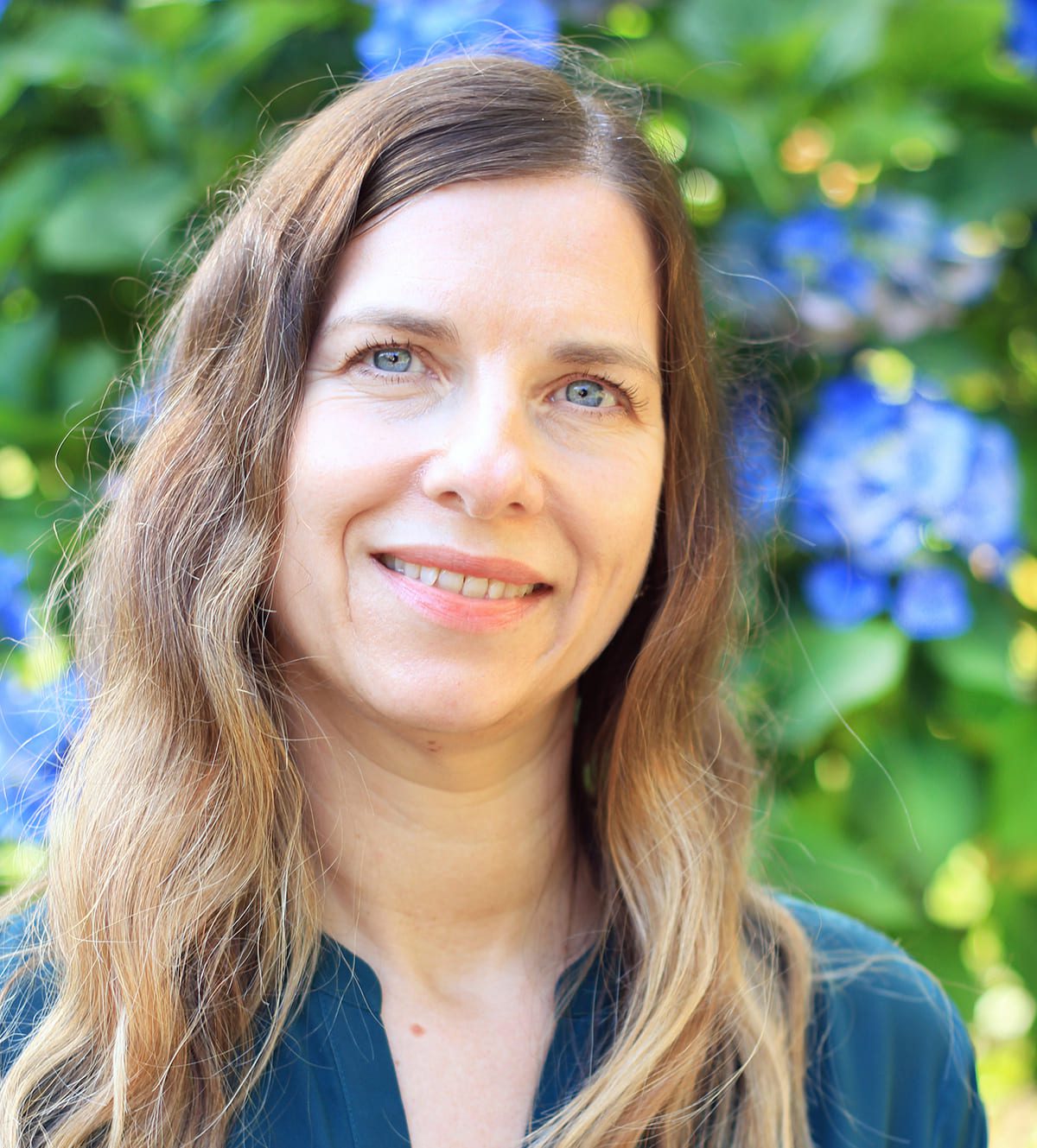
By Charmian Johnson

Charmian Johnson is a former global law firm partner and now a trauma-informed coach at Charm Johnson Coaching and a Partner of The Mental Wellbeing Company (https://charmjohnson.thementalwellbeingcompany.com).
With nearly 30 years’ experience in high-pressure professional environments, she now supports ambitious women, particularly female lawyers, to navigate overthinking, perfectionism, people-pleasing and self-doubt through a nervous-system-aware approach.
She also works with organisations, particularly law firms, to create more human-centred workplaces through nervous system education and leadership training focusing on reducing absence and attrition while enhancing performance and wellbeing.





This truly resonates! The judgement we place on ourselves is definitely perpetuating the cycle. Seeing more women bring support into the workplace is such a positive indicator of a brighter future for us all