For most of my life, soccer defined who I was.
I was a college coach, an educator, and a competitor who believed deeply in preparation, discipline, and hard work. My days revolved around training sessions, recruiting conversations, game plans, and helping young athletes chase their potential. I understood life through sport: effort brings progress, teamwork builds success, and resilience wins in the end.
Then, almost overnight, the game changed in a way no preparation could have anticipated.
A sudden and catastrophic illness nearly took my life. When I survived, I faced a reality I never imagined — I had lost both hands and parts of my feet. The career, identity, and physical independence I had relied on were gone in an instant.
In those early days of recovery, people often called me inspirational. But the truth is far less polished than inspiration suggests. Survival was messy. It was filled with frustration, grief, fear, and uncertainty about who I was supposed to become next.
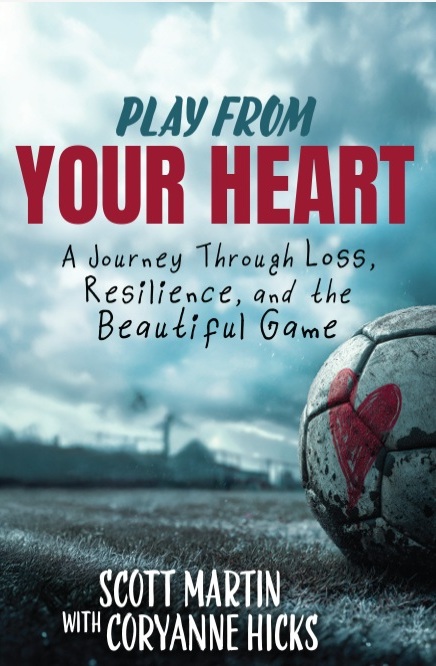
That struggle became the beginning of Play From Your Heart.
Why This Book Needed to Exist
I didn’t set out to write a memoir.
In fact, for years I avoided telling the full story. I focused instead on rebuilding a life — learning how to function again, redefining my role as a father and husband, and discovering what purpose looked like without the career that had shaped me for decades.
What I gradually realized, though, was that my story wasn’t really about loss.
It was about identity.
So many people experience moments when life removes something central to who they believe they are — a career, health, relationship, dream, or sense of certainty. When that happens, the question becomes unavoidable:
Who am I now?
I wrote Play From Your Heart because I wanted to explore that question honestly. Not as a story about overcoming adversity in a heroic way, but as a human journey through doubt, adaptation, and rediscovery.
The real challenge wasn’t learning how to live without hands.
The real challenge was learning how to live without bitterness.
The Problem We Rarely Talk About
Our culture loves comeback stories. We celebrate resilience once the ending is clear and uplifting.
What we talk about far less is the long middle — the period when transformation hasn’t happened yet.
After my illness, I faced moments where progress felt invisible. Everyday tasks required patience I didn’t yet have. Independence had to be relearned piece by piece. Pride often collided with reality.
There were also emotional challenges that surprised me. Losing physical ability changes how the world interacts with you. People see disability before they see identity. That adjustment can quietly reshape confidence and self-worth.
Through writing the book, I realized something important: resilience isn’t a personality trait reserved for extraordinary people.
It’s a process.
And that process usually begins with acceptance rather than strength.
Lessons the Writing Process Taught Me
Writing Play From Your Heart forced me to revisit experiences I had spent years moving past. Some memories were difficult to return to — hospital rooms, uncertainty about survival, and the fear my family carried alongside me.
But reflection also revealed something unexpected.
The defining moments of my life were not the championships I coached or the professional milestones I once measured success by. Instead, they were quieter decisions:
Choosing gratitude when frustration felt easier.
Accepting help when independence mattered deeply.
Continuing to invest in others even while rebuilding myself.
One of the most meaningful chapters of my life unfolded after leaving collegiate coaching, when I became “Tata” (Romanian for father) to five adopted children from Romania and Ethiopia. Parenthood reshaped my understanding of resilience even further. Children who have faced hardship often demonstrate an extraordinary capacity for hope — a reminder that strength frequently grows from vulnerability.
Writing helped me see how these chapters connected. Soccer had always taught me to play with passion and commitment, but life was teaching a deeper lesson: success isn’t always about winning.
Sometimes it’s about continuing to show up.
The Transformation I Hope Readers Experience
If readers take one message from my book, I hope it’s this:
Your value is not determined by what life allows you to keep.
We all build identities around roles — careers, abilities, achievements, or expectations. When those things change, it can feel like losing ourselves. But transformation often begins when we discover that purpose isn’t tied to circumstance.
Playing from the heart means engaging fully with life even when the outcome is uncertain.
It means choosing connection over comparison, persistence over perfection, and meaning over control.
My journey involved disability, but the lesson is universal. Every person eventually faces moments when the path forward looks nothing like the one they planned. Those moments are not necessarily endings; sometimes they are invitations to redefine what matters most.
Why Stories of Transformation Matter Now
We live in a time when many people feel overwhelmed by uncertainty and division. Negative news travels quickly, and setbacks can feel permanent.
Stories grounded in honest transformation remind us that change — even unwanted change — can lead to growth, empathy, and renewed purpose.
I didn’t write Play From Your Heart to present myself as extraordinary. I wrote it because resilience exists in ordinary people navigating extraordinary circumstances every day.
Teachers adapting to change.
Parents sacrificing for their families.
Athletes redefining success.
Individuals learning to move forward after loss.
Transformation rarely arrives dramatically. More often, it appears through small decisions repeated consistently over time.
Continuing the Journey
Today, I still carry lessons from the soccer field with me. Coaching taught me that the best teams succeed not because adversity disappears, but because they respond together with courage and trust.
Life works much the same way.
The illness that changed my body also reshaped my understanding of leadership, gratitude, and human connection. Writing this memoir became less about documenting the past and more about offering encouragement to anyone standing at an unexpected crossroads.
Because sooner or later, life changes the game for all of us.
When it does, the question isn’t whether we can return to who we once were.
The question is whether we’re willing to move forward — and keep playing — from the heart.
By Scott Martin
Author Bio

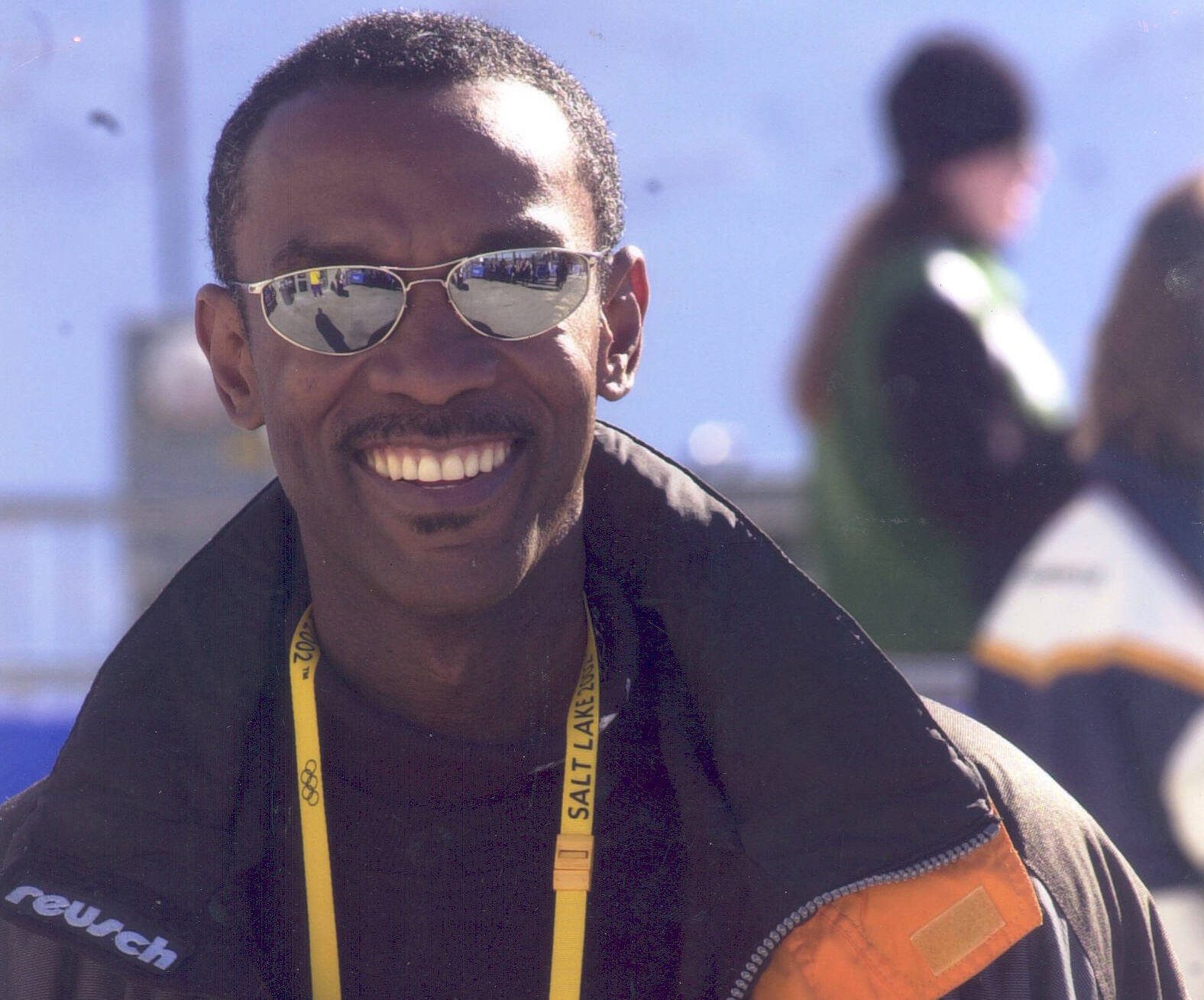
Scott Martin is an award-winning soccer coach, educator, and disability advocate. After surviving a life-threatening illness that resulted in the loss of both hands and parts of his feet, he rebuilt his life and continues to inspire others through speaking and writing. His memoir, Play From Your Heart, explores resilience, identity, and finding purpose after profound change.
Book links:
Wherever you buy your books: https://tinyurl.com/2zbfh9s3
Amazon ebook: https://tinyurl.com/3pkvxtu2