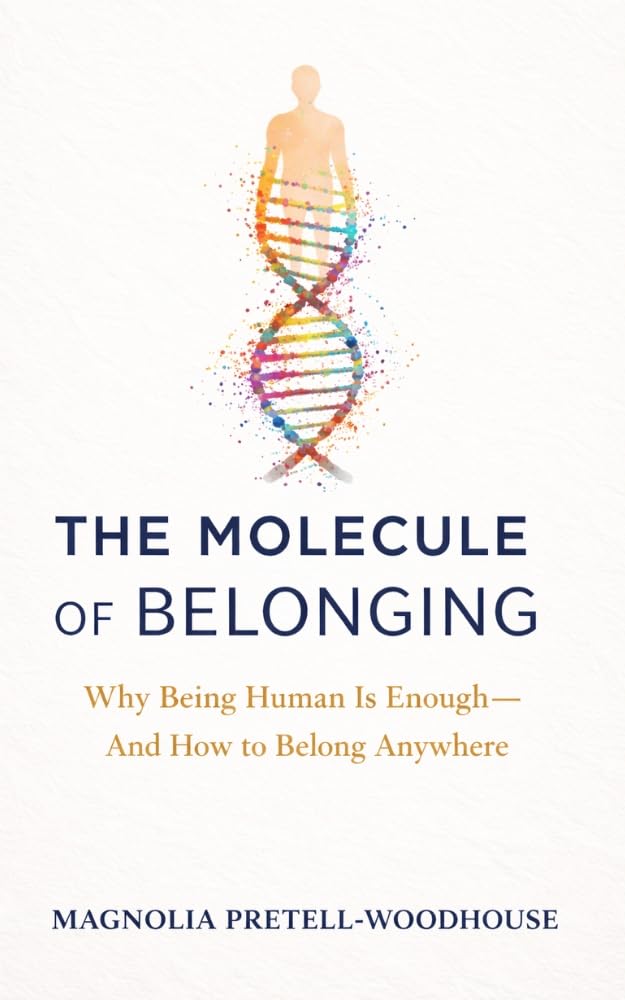
Why I Spent Years Searching for “Home”
The idea for The Molecule of Belonging was born during the pandemic, when the world suddenly became quiet.
Like many people during that time, I found myself sitting with questions I had spent years avoiding. One question kept returning to me over and over again:
Where is home?
At first, it sounded like a simple question. But the more I sat with it, the more I realised it had very little to do with geography.
I’ve lived in six countries so far — Brazil, Peru, the United States, the Netherlands, Canada, and now the United Kingdom. Every move changed me in some way. I learned how to adapt quickly, how to navigate different cultures, and how to rebuild my life from scratch more than once.
For years, I believed belonging was something I would eventually find externally. I thought if I found the right country, the right people, the right career, or the right lifestyle, I would finally feel at home.
But no matter where I lived, the same feeling quietly followed me: I still didn’t fully belong.
Adaptation Is Not The Same As Belonging
For a long time, I thought this feeling meant there was something wrong with me.
I questioned whether I simply wasn’t trying hard enough to integrate. Maybe I was too different. Maybe moving between cultures had left me permanently disconnected from any strong identity.
What I eventually realised is that adaptation and belonging are not the same thing.
You can adapt almost anywhere and still feel emotionally homeless.
That understanding became one of the emotional foundations of my book.
The pandemic forced me to stop moving, stop distracting myself, and finally sit with emotions I had carried for most of my life. Without the usual noise of everyday life, I started reflecting more honestly on the emotional patterns that followed me across countries, relationships, and different stages of my life.
At first, I was simply journaling. Writing became a way to process my thoughts. But slowly, those reflections evolved into chapters. And eventually, those chapters became The Molecule of Belonging.
The Moment That Inspired The Title
One moment in particular changed everything for me, while working as a human geneticist researcher at a university, I was analysing human genome datasets when a question that had followed me for years resurfaced once again in my mind: Why did I still feel like I didn’t truly belong anywhere?
I was staring at scientific data showing how remarkably similar human beings are at a molecular level. At the exact same time that I felt deeply disconnected emotionally, I was looking at scientific data showing how remarkably similar human beings are at a molecular level.
Despite all the divisions we create around nationality, ethnicity, language, politics, and culture, our shared humanity is literally written into our biology.
That moment stayed with me.
It made me question what it truly means to belong as human beings beneath all the identities and labels we carry throughout life.
The title The Molecule of Belonging came from that realisation.
Finding Home Within Yourself
Writing this book became a healing journey for me.
I started understanding that there is inner work that matters far more than external achievements or locations. Self-acceptance, emotional honesty, self-expression, and understanding who you are beneath social expectations all play a role in creating a sense of belonging.
For me, “home” slowly stopped being a physical destination and became something internal.
The book also explores how modern life and technology are changing our relationship with belonging. We live in a world that is more connected than ever digitally, yet many people feel increasingly isolated emotionally. Migration, remote work, social media, and constant global movement have changed how many of us experience identity and connection.
I think more people are silently asking themselves the same question I asked during the pandemic:
Where do I truly belong?
Why I Wrote This Book
I wrote The Molecule of Belonging because I wanted people to find some answers within themselves. I wanted readers to pause for a moment, put aside all the identities, labels, expectations, and roles we carry throughout life, and take a deeper inner look at who they truly are beneath all of it.
The book doesn’t try to give perfect answers. Instead, it invites readers to reflect on what “home” means in their own lives and how belonging may begin much closer than we think — within ourselves.
And maybe that’s the real question:
What if belonging isn’t about finally finding the perfect place, but learning to fully be who you are wherever you are?
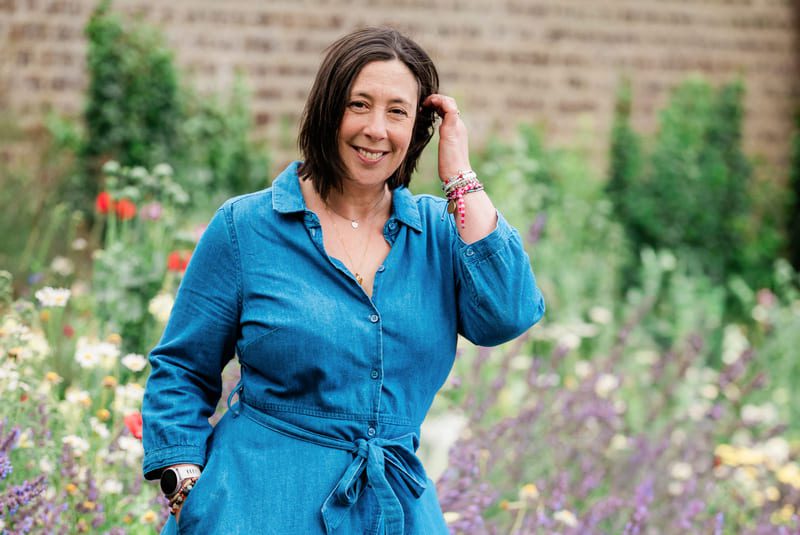
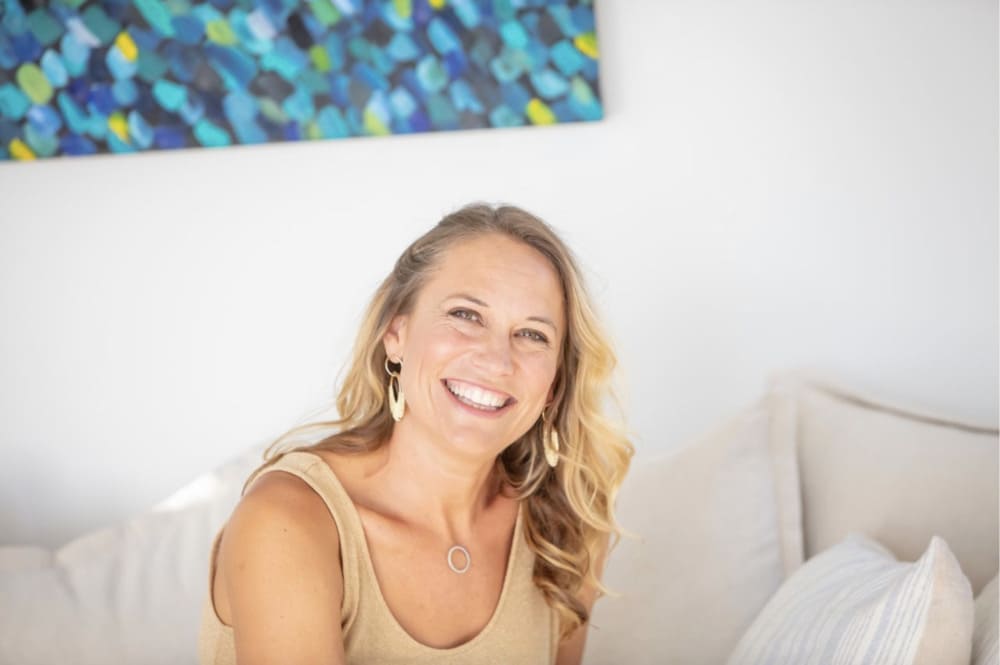
By Magnolia Pretell-Woodhouse
Author Bio

Magnolia Pretell-Woodhouse is a human geneticist, writer, and science communicator whose work explores the deeper connections between human biology, identity, belonging, and emotional wellbeing. Having lived across six countries — her personal experiences of migration, adaptation, and searching for “home” became the inspiration behind The Molecule of Belonging.
Through a combination of personal reflection and scientific insight, her work examines what it means to be human beneath the layers of nationality, culture, language, and social identity, exploring how connection, self-understanding, and shared humanity shape our sense of belonging in the modern world.
Alongside her writing, Magnolia also works in the fields of genetics, personalised nutrition, preventative health, and longevity, areas that continue to inform her broader perspective on human wellbeing and the relationship between emotional and physical health.




This really triggered my curiosity about how identity shapes our sense of belonging. I’ve just pre‑ordered the book and can’t wait to read more
This resonates with my experience as an expat, I’m curious about it
Interesting topic! Look forward to learning more about this topic!