I never thought that I would be a children’s author. In fact, as I grew, I never really looked back on the stories or books of my childhood at all, did you?
When my daughter was born she changed everything, as children often do. As an avid reader, I was excited to share my love of words with her. I wanted my daughter to learn simple foundations for being kind, courageous, inquisitive, and environmentally sensible, but there is a large gap between the patronisingly simple books marketed at children today and the world of stories from whence our cultures came.
What’s missing?
As an environmental educator with an interest in human history I understood that pre-literate societies encoded their culture and knowledge in stories, but I couldn’t find much information on the role of storytelling in early societies. I gathered that often stories were graded throughout levels of development, so that the same narratives were explored with different levels of detail as children grew. If you think about it, it makes a lot of sense; instead of inventing new stories regularly, it would be much easier to remember stories repeated more than once. In a culture that could not record their knowledge physically, keeping it memorable would have been critical. It seems sensible, then, to use those familiar stories to explore the details in greater depth as the audience grew. Toddlers only need to know that the hero ate, but children should know what the hero ate. Teenagers should know how the hero caught the food, and adults should know how it was prepared before eating, but the hero, the eating, and the story would never change. I started to wonder if I could craft stories that could grow with my daughter.
What do I want my child to learn?
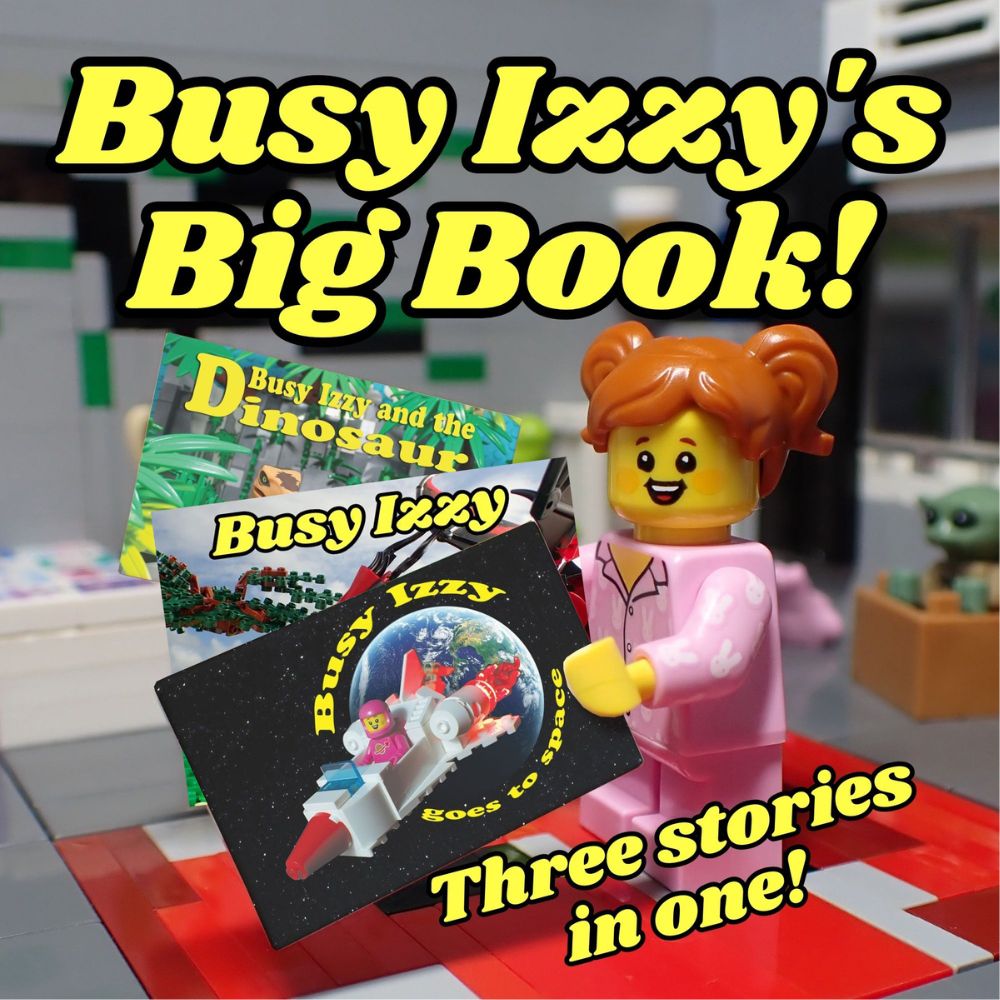
I decided that the most important lesson to teach a young child would be Maslow’s hierarchy of needs. I wrote in a simple rhyming scheme about a creative, confident and imaginative girl (the fourth and fifth needs), building a rocket and venturing through space, exploring the basic human needs of food, water, and air (the first needs) in safety (the second need), and ultimately discovering the importance of positive relationships (the third need). It was simple enough to read to a three year old, but within its limited pages lies an encoded exploration of what matters most in life.
The second story explores animal ethics and specific intelligences. In the same simple rhyming scheme, with the same adventurous little girl, we see her best friend, an animal, being kidnapped by poachers, and her freeing it by proving how intelligent, and deserving of respect, the animal is in its own way.
The third story deals with animal safety by introducing a knight who is trying to slay a dragon because he believes it is dangerous. Instead of taking up arms and joining the fight, our adventurous little girl investigates why people believe the animal is dangerous, uncovers the root of the problem, and helps them to find an amicable solution where nobody needs to die.
Art for the non-artist…
I’m no artist, so I used LEGO photography for the images. Each story starts with the first image being a real photo of my daughter in her room, and then every other page is an imaginary world built of bricks. It was a way to incorporate imaginative play and creativity into her thinking, while keeping the imagery light, colourful, and fun.
From pen to page
When the stories were finished, I printed them just for us, but as I read them to my daughter, I realised I’d managed to write stories that seemed to do everything I had wanted them to; they were simple, memorable, enjoyable, and accessible for my daughter, but they also contained complex concepts which I could elaborate on as her familiarity with the story grew. I crowd-funded publishing 100 hardcover copies of the three stories collected into a book, which we donated to children’s hospitals around Australia, and also some in the United States of America. It was quite some time later that I actually published ‘Busy Izzy’s Big Book’ officially.
What’s next?
Today, I am a self-published children’s author not because I ever planned to be, but because I saw a need for stories that mean more for longer. I’d like to explore further how preliterate societies encoded the moral fabric of a culture into the stories of the next generation so I can turn more lessons into stories. There was a time when childhood stories built the foundations of society, but now our childhood stories are made to be discarded, and perhaps, like me, you’d never thought about what the stories that you read as a child didn’t teach you, but maybe it’s time to start.
What about you? What memorable values do you think should be taught early and repeated often?
By Steven Gill
About the Author;
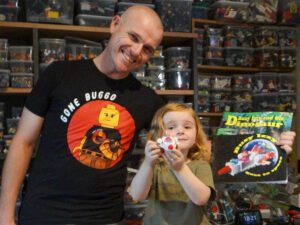 Steven Gill has been playfully described as a “guerilla environmentalist”, photographing live animals in complex LEGO dioramas to reframe and discuss ecology and environment with his social enterprise, Gone Buggo. He is also a TEDx speaker, tour guide, and occasional children’s author. He lives in Far North Queensland with his family.
Busy Izzy’s Big Book is available through Gone Buggo and InHouse Publishing