I remember a time as a child when I read way past bedtime.
Long after I was supposed to be asleep, I would climb up The Magic Faraway Tree by Enid Blyton and step into lands where anything was possible.
I can still remember the feeling.
The quiet of the house.
The glow of the page.
The thrill of one more chapter.
What I did not understand then was that those secret hours were building something far more important than entertainment.
They were building my future.
Those stories stretched my imagination. They grew my vocabulary. They gave me language for feelings I did not yet know how to name. They built an inner world.
And that inner world became the foundation for everything that came later.
Years later, I walk into schools that do not have a library at all.
No shelves.
No quiet corner.
No space set aside for stories.
In others, classes share limited sets of books.
Too many students sit in lessons without access to the very text they are meant to be learning from.
We speak about outcomes and achievement.
Yet we are not even providing the book.
We are facing serious problems as a society, yet we overlook one of the most accessible solutions.
The humble picture book.
Because long before a child can influence the future, a book is quietly shaping how they will meet it.
That contrast should unsettle us.
Why This Work Exists
I now lead a charity that has distributed over one million books to disadvantaged children.
That number sounds impressive.
It should not have to exist.
Access to books should not depend on postcode.
Literacy is not enrichment. It is infrastructure.
When a child cannot read confidently, their world narrows.
When they can, it expands.
Reading builds attention in a distracted age.
It builds empathy in a divided age.
It builds thinking in a reactive age.
And thinking, deep thoughtful thinking, underpins every meaningful transformation.
One in three children struggling to read is not just an education issue. It is a national economic warning. A child who cannot read fluently by the end of primary school is statistically less likely to complete education, secure stable employment or fully participate in civic life.
We talk about closing gaps.
Books are one of the simplest, most cost-effective tools we have to do exactly that.
If we can fund buildings, programs and policies, surely we can fund books.
The Transformation That Matters
People often ask what change I hope to see. Of course I want literacy rates to improve. But deeper than that, I want children to experience what I felt under those covers. The moment when the outside world fades and a new one opens. That moment quietly teaches a child:
There is more than this.
More ways to live.
More ways to solve problems.
More ways to become.
Reading is rehearsal for possibility. And possibility is the opposite of poverty.
The Books That Sustain Me
In the middle of scaling a charity, managing logistics, warehouses, volunteers and partnerships, I reach for two very different kinds of books.
There are the practical ones.
Getting Things Done by David Allen.
Essentialism by Greg McKeown.
They steady my thinking. They bring me back to what truly matters.
And then there is something else entirely.
Just before sleep, I open fiction.
Not policy. Not strategy. Not productivity.
Pure escapism.
At the moment, I am immersed in Rebecca Shaw’s heartwarming tales of English country life, most notably the 19-book Turnham Malpas series, with its focus on the lives, loves and gossip within a fictional village.
It could not be further from warehouse logistics or literacy statistics.
And that is precisely the point.
Within minutes something shifts. The noise softens. My breathing slows.
Technology speeds us up.
Books restore depth.
In a world of constant stimulation, the simple act of reading feels almost rebellious.
It demands attention.
It builds patience.
It strengthens reflection.
These are muscles we cannot afford to lose.
Because the challenges ahead will not be solved by speed alone.
They will be solved by clarity.
And clarity begins with reading.
I often joke that I will need to live to 150 to read everything on my list.
The only flaw in the plan is that most nights I fall asleep after a few pages.
But I keep opening the book.
Because I know what it does for me.
It steadies me.
It sharpens my thinking.
It strengthens my conviction.
It reminds me why this work matters.
Every child deserves a bedtime story.
Books sustain me on this journey toward a world where every child having one is not negotiable.
Because when you expand a child’s inner world, you expand their future.
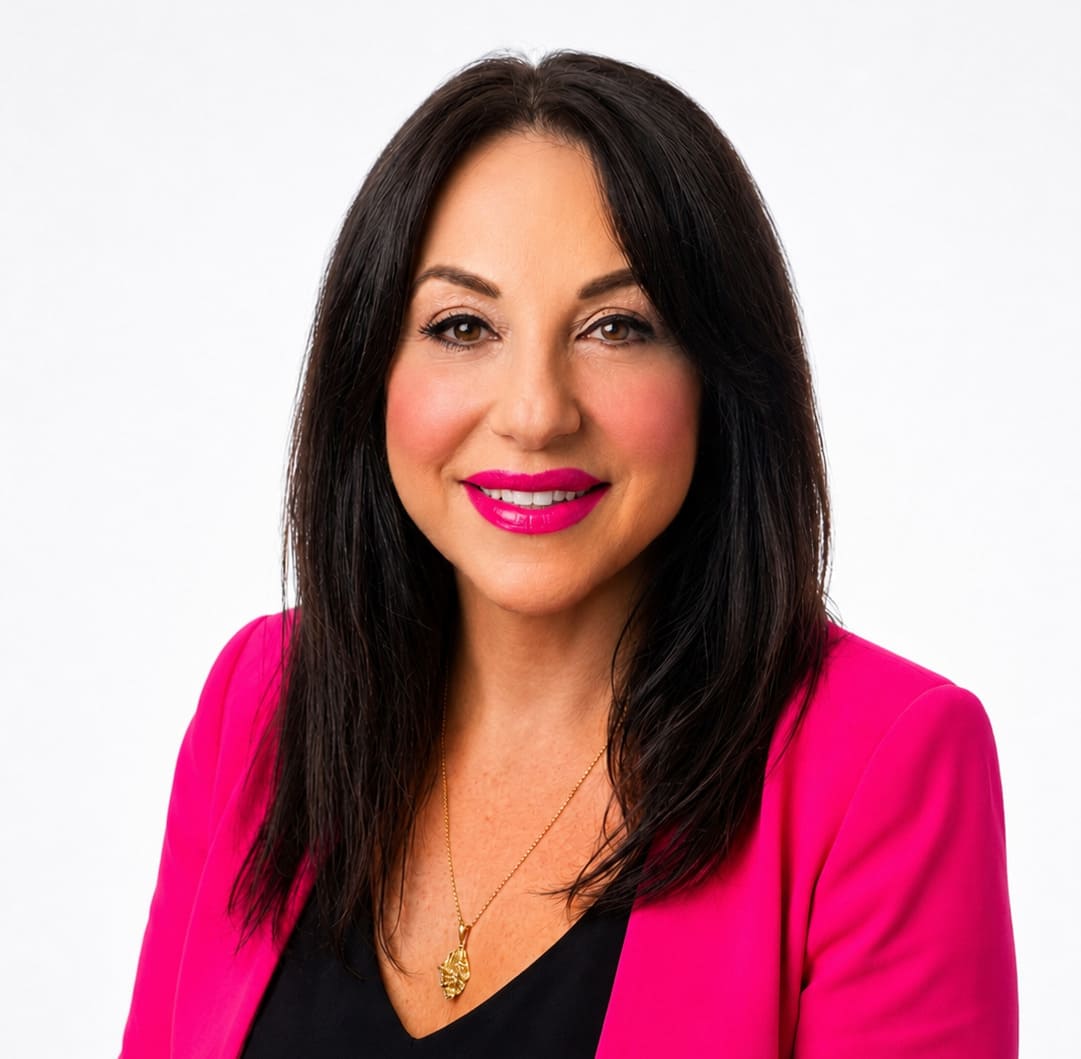
By Melinda Shelley
Author Bio
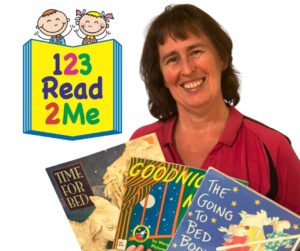
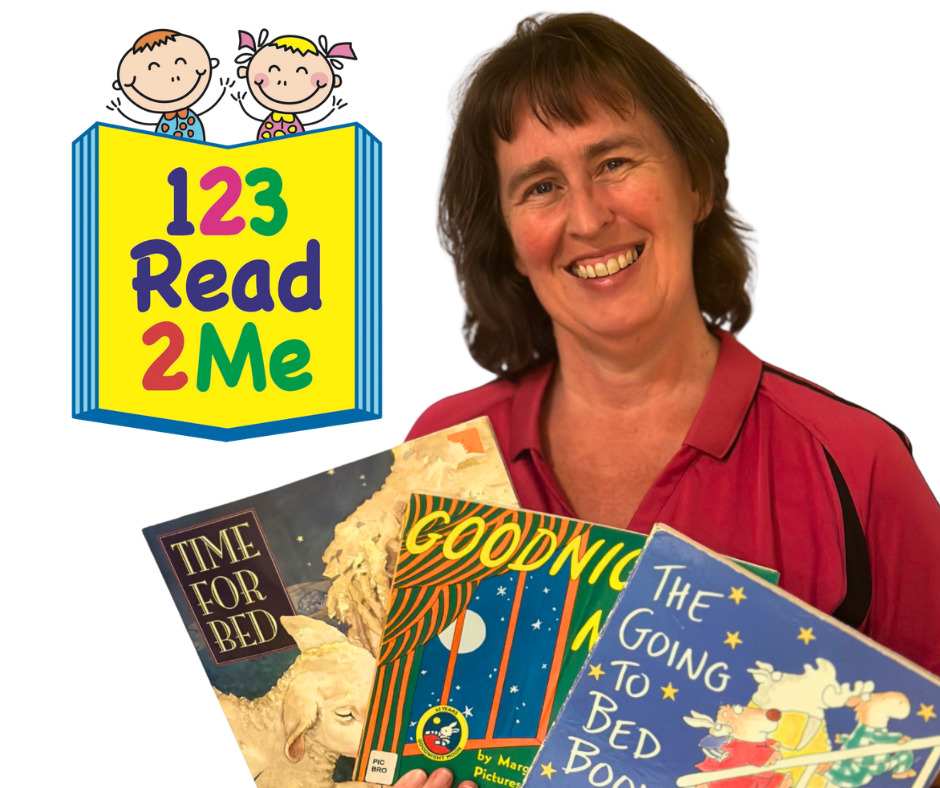
Melinda Shelley is the founder of 123Read2Me, a volunteer-led Australian charity that has distributed over one million books to disadvantaged children. She writes and speaks about literacy as the foundation of opportunity and long-term social change.
She believes every child deserves a bedtime story.