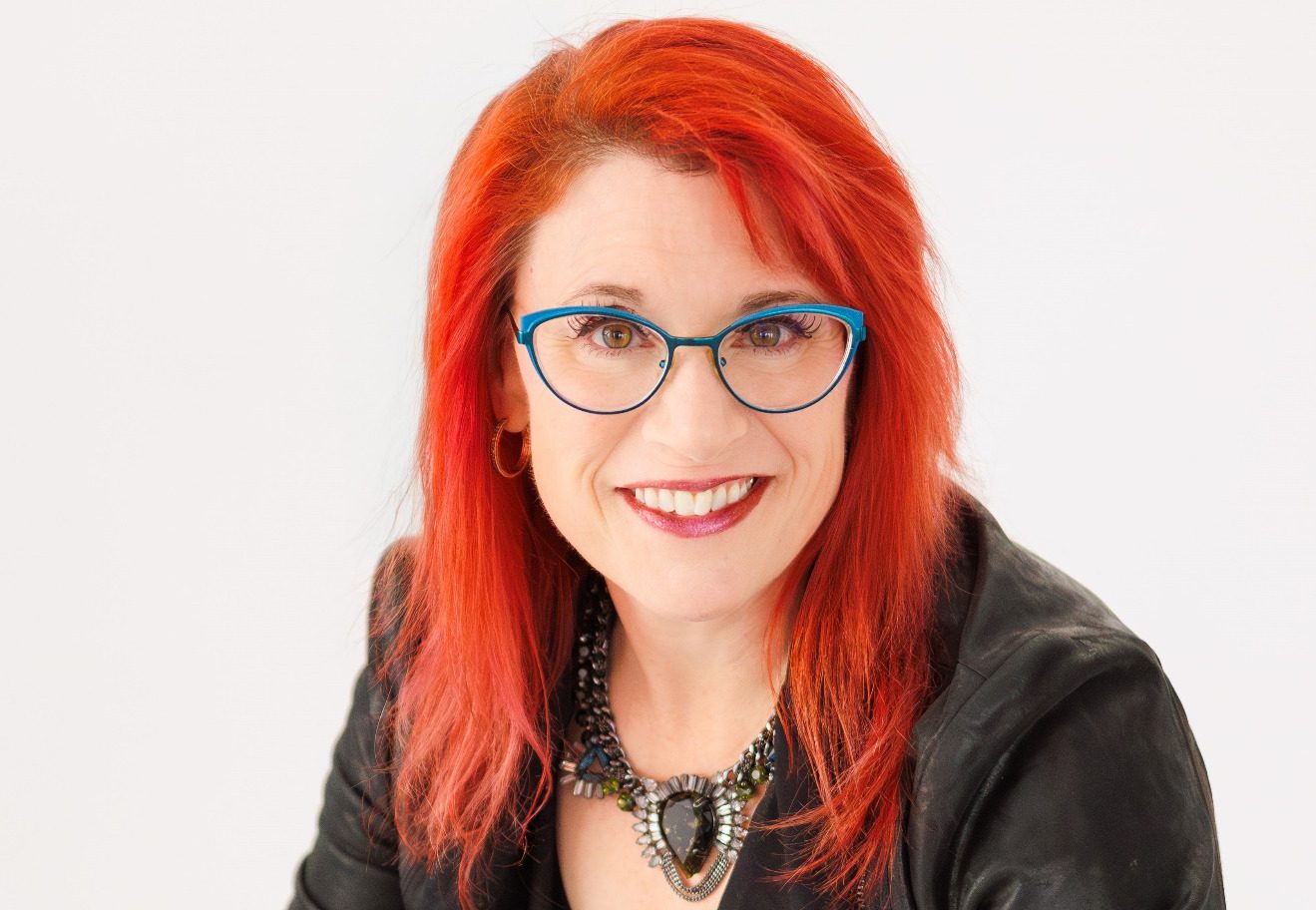
My turning point came out of left field and violently changed my trajectory forever. Originally, I was a classically trained French hornist, and I loved what I did. I had the honor of playing with legends like Ray Charles, David Ogden Stiers, and Mannheim Steamroller, spent a summer as a soloist in Rome, and worked my way to the top of my field with sweat and grit. However, being a performing musician isn’t financially stable, and I discovered that I’m hopelessly addicted to food, shelter, and clothing. I needed benefits for a secure future, among other things a full-time job provides, so I got my first doctorate and landed a position as a French horn professor. Between my performing and this academic position, I thought I was poised to take on the world. I had no idea how wrong I was.
I had only been in my position for a few months when I was assaulted by one of my colleagues. At this point I was still trying to put my life together after moving across the country. Daily activities like finding a good grocery store and hairdresser or just learning my way around a new campus were enough of a challenge. And I had no family or support where I was. I had taken a jump without a net, and although I hadn’t done anything to deserve it, had crashed horribly. Although I fought what had happened, I watched a music career that had taken decades to create slowly dissolve over the next six years until I had to leave that profession altogether.
The Next Steps
Even after I’d left, I couldn’t stop thinking about what had happened. The assault was horrible, but it lasted minutes. The lack of care from the rest of the university community lasted years. I’d slowly made my way through every possible ally I could think of, from HR to the union to the ombudsman, but no one wanted to hear what I was saying. When I went to our boss, I was told that as a female faculty member, if I was stirring up trouble in my first term, I’d never get promoted. (Newsflash: I didn’t care about being promoted, I cared about feeling safe in my own office). The leader above him told me in no uncertain terms that if I didn’t like it, I could always leave. All of this left me scarred and confused, and I became stuck in a mental loop. How had an entire organization become so numb to the humans within it?
By this time I was doing some consulting in the healthcare space with my husband as well as doing whatever work I needed to keep benefits. I felt like everything I’d been had just been erased. I had no idea who I was without music. I sank into a depression that hung like a lead weight everywhere I went, but I still couldn’t stop asking: what was creating this lack of humanity, especially for the people I saw in leadership? I became convinced that a lack of empathy was the key, and this became the catalyst for everything I’ve done since. I hadn’t been able to stop what had happened to me, but maybe I could stop it from happening to someone else.
Since then I’ve become an empathy advocate and continued my research into why there seems to be such a lack of empathy in our modern world. I’m currently ABD in my second doctorate, this one in Interdisciplinary Leadership, with a dissertation on leadership and empathy. Even if I couldn’t change the world with my music, maybe I can change the world through empathy.
What the World Needs Now
Last year I published an internationally bestselling book called The Empathic Leader: How EQ via Empathy Transforms Leadership for Better Profit, Productivity, and Innovation, and landed a TEDx which now has over 170k views. What this tells me is that I’m not the only one that sees the disconnect between leadership and the use of empathy, and it gives me hope that we could start a movement for the humane treatment of humans.
I’m certain that empathy is more important than ever, especially in the age of AI. The musician I was would never have seen this turn for my life, but if I’m the person to start the conversation on this topic, I’m glad to be the champion that empathy so desperately needs. One thing is clear however: empathy is something that happens in small acts from each of us, every day. We’re each responsible to be the change we want to see in the world. Research says that we have seven to nine opportunities to use empathy every day. The question is, have you used your empathy today?
By Dr. Melissa Robinson-Winemiller
Bio:
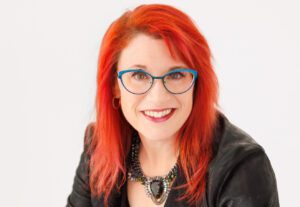
As a professional musician, Dr. Melissa Robinson-Winemiller played with major talent such as Ray Charles, David Ogden Stiers, and Mannheim Steamroller. But cold, toxic leadership robbed her of a career that was 30+ years in the making. However, instead of allowing this experience to break her, she used it to create a research-backed methodology to transform society as we know it by redefining the one element that consistently gets missed: empathy. Dr. Melissa insists that all so-called “soft” skills, including communication, motivation, and self-awareness, aren’t as effective without first applying empathy, and her doctoral-level research backs this up. Today, she’s an international bestselling author, TEDx Editor’s Pick speaker, EQ and empathy coach, and leading voice on emotional intelligence and empathy. She’s known for blending lived experience, academic depth, and hard-earned expertise that demystifies why society needs empathy now more than ever. Most importantly, she shows how using empathy actionably translates to better communication, stronger relationships, and greater personal growth. Her mission is to invite everyone to approach empathy as a learnable skill and catalyst for every human-to-human interaction, not only for others, but for ourselves.




Melissa, this is such a strong and timely post. I watched your TedX as well and look forward to putting the tools to work ASAP (it’s soo good to have a How instead of people who say Just Do It).
Thank you,
Steve Jones
And now the empathy that you give will teach others that it’s not about feelings, it is so much more and can really turn an organization (even of one) around.
This is inspiring work, and so needed! I am looking forward to reading your book next.
Great read Melissa!
Thank you for being vulnerable enough to share your experience with us. The heart behind your story really impacts and propels the message of the importance of empathy in our world.
As a female healthcare professional with an adult daughter with an advanced degree working in academia, Melissa’s story does not ring hollow. It seems many do not understand the lack of empathy in the professional realm today, regardless of area of focus. The challenge remains. How do we advocate for ourselves, and our teams, in a manner that is heard by leadership? Melissa’s work is timely, relevant, and desperately needed.
We need more empathy advocates like Dr. Melissa…great article!