Something felt wrong
Before my second child, my cycle had never been something I thought much about. But after my periods returned I didn’t feel like myself for significant chunks of time. I felt weird and a bit lost. My mood was unpredictable, I was finding myself uncharacteristically hopeless and lacking in joy, feeling distant from my family. I had this recurring feeling of observing my family from within a glass cage when we were together, doing family stuff. I was looking on, but at a distance, I couldn’t connect with them or the feelings I knew I should have witnessing my kids being full of joy and fun. I felt dead inside. I was irritable, snappy, having explosive outbursts at my partner and children for the smallest things. Then within a few weeks I would feel like myself again, only to slip back a few weeks later. I had become a Jekyll and Hyde character, like I had a split personality, I was becoming hard to live with, and it was affecting my ability to remain in control of myself at home and work.
Over time I realised something was really wrong, so I went to the doctors for answers. I was told: “Sounds like normal hormonal mood swings” and was offered the pill to stop my cycle. I left feeling dejected, unheard, and questioning my own experience entirely.
Finding PMDD and everything making sense.
I started researching my symptoms. When I first read about PMDD, Premenstrual Dysphoric Disorder, I remember tears filling my eyes as I turned to my husband and said “this sounds just like me.” The relief of having a name for it was unreal. I wasn’t losing my mind.
Put simply: PMDD is an adverse reaction in the brain to your own hormones. The hormones your body produces naturally, every cycle. The symptoms hit in the second half of the cycle (luteal) and they’re not mild. Rage, depression, suicidal ideation, sensory overwhelm, brain fog to name a few. It’s often called severe PMS, but that doesn’t come close. PMDD is to PMS as a migraine is to a headache.
What came after – rebuilding, adjusting and learning to live differently.
Getting a diagnosis was a relief; but it wasn’t a roadmap. There’s still very limited information about how to manage PMDD, and no cure. For most, it’s a case of going to your GP with suggestions and requests rather than them providing the solutions. Connecting with others living with it was one of the most useful things I did.
Following my diagnosis I was off work for 7 months learning to manage symptoms. I still have them, but SSRI medication lessens the impact. I’ve had to continue to monitor and adjust, especially as I’ve moved into perimenopause, something that can hit earlier for those with PMDD. Cycle tracking has been invaluable, learning to lean into the windows where I have more energy and creativity, and recognising when my body needs rest. Working with your body rather than against it sounds simple but it took me years to actually do it.
That important work call where I need to be confident and on my ‘A’ game? Not one for my luteal phase! At home, it often means stepping back from social scenarios, taking time away from my partner and children when I’m experiencing sensory overwhelm. Learning to say no without guilt took longer than it should have.
What it built – from personal experience to public advocacy and Elevelle.
I’ve used my experience to raise awareness of PMDD and other women’s health issues. As Co-Chair of the Women’s Reproductive Health Employee Resource Group in my previous organisation, I ran education sessions and support groups for colleagues living with these conditions. What struck me most was being approached afterwards by partners, fathers and line managers, people who had no idea what the women in their lives were navigating, and who wanted to do better.
I spent years finding a way to manage a condition which blindsided me and completely changed how I navigated life. What I was actually doing was building, without knowing it, an understanding of my own body, a way of working with it rather than against it, and a growing conviction that women deserved better than years of dismissed symptoms and unreliable Google results. In early 2026 I launched Elevelle, an online community where women navigating midlife health, career and life can access expert-led guidance they can actually trust and use. Something that started as the worst period of my life led to the thing I’m most proud of building.
Has something that felt like it was breaking you ever turned out to be the thing that changed your direction for the better?
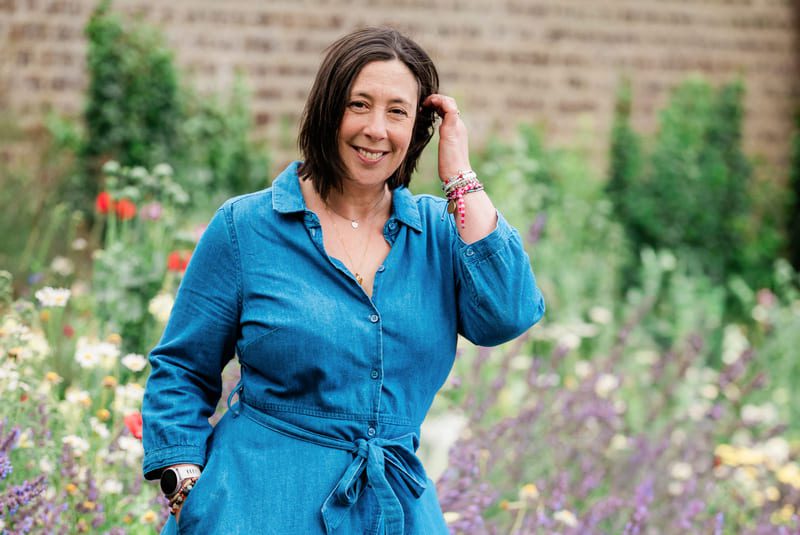
By Jenny Fairhurst
Jenny Fairhurst is the founder of Elevelle, an online community giving women in their 30s and 40s expert-led, joined-up support across health, career and life. With 20 years in senior HR roles and a personal diagnosis of PMDD, she left corporate life to build the resource she couldn’t find: one that treats women as the complex, multi-layered people they actually are. She is a women’s health advocate, PMDD champion, speaker and writer. Learn more about Elevelle at www.elevelle.co.uk or on Instagram @elevelle_official




Such a good description of that switch on and off into and out of the hell of luteal phase in pmdd, and the huge difficulties in getting diagnosed, treated and supported. I had pmdd symptoms from the age of 16/17, during the 80s when periods and mental health were taboo subjects. Finally got diagnosed, and some form of treatment in my late 40s and 50s.
I wished more people were aware of this!
It’s so important to share these topics and experiences for women who are struggling to find the right support. Many of our GPs are not equipped with training or knowledge in these areas and so we rely heavily on online community to share and find answers.
Such valuable insight into a topic so under represented
To be able to understand what’s going on with you, being able to name and describe it is so important. Knowing you’re not alone with something and that there is an explanation is the key. Very excited that Elevelle offers that to women!
A topic not talked about enough, yet is so prevalent in many lives! Glad to see this openly being discussed allowing others to talk freely!
I loved this article, there is so much I can resonate with. I truly wish all this information had been available when I needed it most.
I feel we need to normalise this not just in the workplace and in city too. Well done, valuable insight and expert angle.
Fantastic article Jenny, the work you do to raise awareness is amazing and so very needed. Too often we hear it is just hormones, the time of the month and we learn to just bare with it. Our children, are taught we all have it, it is normal but often as we know, it is not, thank you for sharing your experiences and inspiring others to not feel alone and seek help. Big hugs xxx
This is a fascinating read. I have never really heard much about PMDD and despite having lived with various theories of Clinical depression, Bi-Polar, Anxiety, Stress, have never been told categorically what is wrong with me. Having suffered with losing friends who didnt get me to not wanting to get up in a morning has frustrated all of the people in my life. But everything Jenny says here i can completely resonate with. We need more people like Jenny pushing for answers and support and we would all be in a much better place. Her story of creating her own “space” in Elevelle is inspirational. What a really interesting and thought provoking read.
Thank you for shining a spotlight on this! So many people still don’t know about it or understand it. Brilliantly and thoughtfully written!
Very informative and inspiring to see you not only navigate this yourself but then work to help bring clarity and Information to others.
So very proud of you Jen. The way you use your experience and knowledge to help others is inspirational. Elevelle takes the guess work out of women’s health, and provides much needed clarity as well as comfort and community
Helpful read – what great awareness you’re building. The impact of female hormones is widely misunderstood and hardly recognised because so much medical research is carried out on men. Keep shining a spotlight and doing your amazing work!
Great post Jenny. So important to raise awareness of this so that women can recognise it and get the help they so deserve.
Having a family member suffering these symptoms without any of us knowing what is going on makes family life hard for everyone. Thanks Jenny for shining a light on this and many other conditions that go undiagnosed. Knowing how to deal with this and getting help and support helps to get family life back on track
Amazing Jenny. Your advice and the Elevelle platform has been so transformative for women’s health!
A clear example of turning pain into power and having purpose for it all – so insightful and genuinely appreciated the honesty in this article.
Thank you for the opportunity to share my story Transform Reads! We need these conversations so these topics can reach more people, so that others aren’t left in the dark like myself and so many others have been!
Thank you for highlighting this very unspoken topic! I think a fair few ladies will drop their shoulders and feel heard by your article. Please write more,Janaxx
Really insightful and interesting read