I’d got little sleep that night. Partly because I was sleeping on the floor of a warehouse; partly because I was anxious. The next day I was getting into a van with five of my friends, who were going to climb the Shard in London, which at the time was Europe’s tallest building. We all knew there was a chance they might seriously hurt themselves, or even die.
These five young women were not thrill seekers. Not in the usual sense anyway. They were members of Greenpeace, under-going this extraordinary feat to draw attention to the disaster unfolding in the Arctic, due to climate change.
As support crew, my feet stayed firmly on the ground that day. Over the many hours I watched them climb, I had a lot of time to think. These women reminded me of the suffragettes, also driven to extremes after all reasonable methods of communication had failed. Or the Miss World protestors, who had stormed the stage in 1970 under the banner: we’re not beautiful, we’re not ugly, we’re angry. I couldn’t stop thinking about how much we owed all these women, who sacrificed their liberty, and sometimes even their lives, for the rights we freely enjoy today.
An obsession
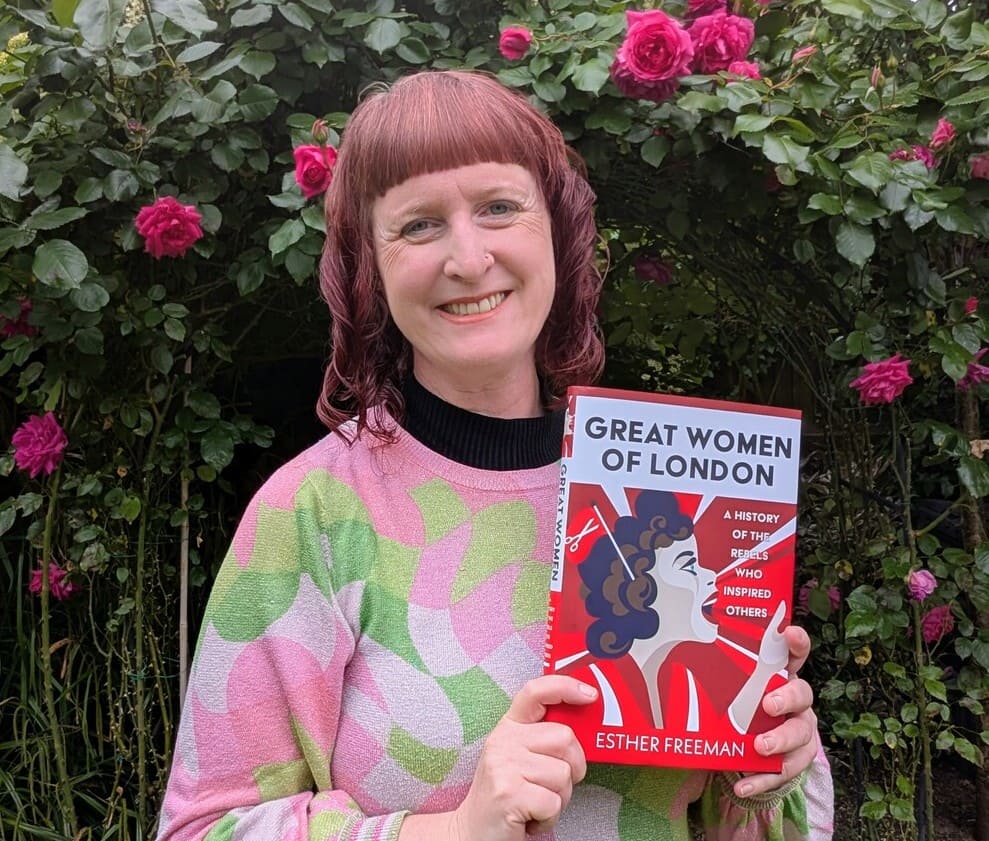
When I got home, I was still thinking about these women throughout history. You could say I became a bit obsessed. Over the next few months I made the decision to I quit my loveless PR job, and retrain as a social historian. That day at the bottom of The Shard became the start of a new journey. It has taken me through archives and libraries; given me the privilege of interviewing Emmeline Pankhurst’s great-granddaughter; and one of those Miss World protestors. Now I am delighted to pull the best of those stories together in my new book, Great Women of London: A History Of The Rebels Who Inspired Others.
There have been a number of books out recently about women from history, which is great to see. I’ve tried to do something a little different with this one though. I’ve curated a selection of stories that you won’t see anywhere else. Expect lesbian suffragettes, a 103-year-old Iraq war protestor, and a group of Asian women who defeated the fascists.

Finding the extraordinary in the ordinary
I’ve loved spending time with these women on the written page. One of the things I really like about them is how ordinary most of them were. These are not stories of queens or prime ministers. They were everyday women, who did extraordinary things. It is their ordinariness that gives me hope. If a group of poor Irish teenagers can bring down Britain’s leading industrialists, then anything seems possible.
It seems like there is an awful lot going wrong in the world today. At times it can feel overwhelming, and that ordinary people are powerless to make a difference. Yet holding history’s heroes close to our heart can give us the courage to at least try.
Who inspires you to fight for the change you want to see in the world?
By Esther Freeman
Biography
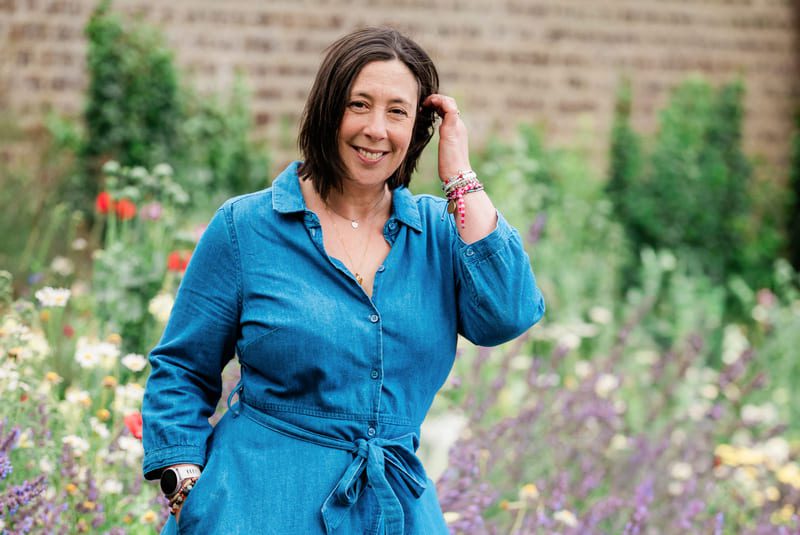
Esther is a social historian, writer, and activist. With a passion for uncovering untold stories, she’s spent 15 years researching the history of women activists. Since 2020, she’s hosted the Rebel Women podcast, and she runs the Substack, Missing From History. Buy her new book, Great Women of London, here.